Maxillary sinus lift
Bone regeneration technique used to increase bone height in the posterior upper jaw when there is not enough support to place dental implants with adequate stability.
MAXILLARY SINUS LIFT SURGERY
A maxillary sinus lift is a regenerative surgery technique used when there is insufficient bone height in the posterior upper jaw, particularly in the premolar and molar areas where dental implants are planned.
The maxillary sinus is an air-filled cavity located above these teeth. After tooth loss, the bone may resorb and the sinus may expand towards the alveolar ridge, reducing the space available to stabilise an implant.
The procedure involves carefully lifting the membrane that lines the sinus and creating a space beneath it where grafting material or a regenerative biomaterial is placed. The aim is to promote bone formation and provide an adequate foundation for implant-supported rehabilitation.
The indication must be established individually. We assess the height and width of the residual bone, the anatomy of the sinus, the condition of the membrane, any possible sinus disease, the patient's medical history, and the implant and prosthetic treatment plan.
WHEN IS A MAXILLARY SINUS LIFT NEEDED?
A sinus lift is considered when clinical and radiological assessment confirms that the bone height in the posterior upper jaw is insufficient to place the planned implants with adequate stability. Not every patient with bone loss needs this technique.
Long-term absence of upper premolars or molars can lead to progressive resorption of the bone that previously supported them.
A 3D scan may show that the residual bone beneath the sinus is not sufficient to provide adequate stability for the planned implant.
Advanced periodontitis may have reduced the available bone support in the posterior upper jaw.
Complex extractions, previous infections, lesions or other processes may leave insufficient bone for an implant.
It may be indicated when upper premolars or molars are to be restored with implants but the available support is insufficient.
In selected patients, it forms part of a broader treatment plan involving bone regeneration, implants and a future prosthesis.
There are two main approaches. The choice depends primarily on the height of the residual bone, the anatomy of the maxillary sinus, the amount of regeneration required and whether adequate primary implant stability can be achieved.
The closed technique accesses the sinus through the implant site, whereas the open technique uses a lateral window when more extensive regeneration is required.
The definitive approach is established after clinical examination, CT or CBCT assessment and complete implant planning.
Closed sinus lift
Also known as the transcrestal or internal technique. The sinus is accessed through the site prepared for the implant and this approach is usually considered when the residual bone height allows a more limited procedure.
View procedureOpen sinus lift
Also known as the lateral window technique. A controlled access is created in the lateral wall of the maxilla to lift the membrane and place the regenerative material when a greater bone gain is required.
Assess my caseHOW IS A MAXILLARY SINUS LIFT PERFORMED?
The procedure forms part of an overall implant treatment plan. The stages may vary depending on whether an open or closed approach is used and whether the implant can be placed during the same procedure or needs to be placed in a second stage.
Medical and dental history, periodontal health, smoking, medication, the edentulous area and previous treatments are reviewed.
A CT or CBCT scan makes it possible to measure the residual bone, assess the anatomy of the sinus and its membrane, and identify findings that may alter the surgical plan.
The specialist selects the most appropriate access and assesses whether the implant can be placed during the same surgery or whether bone regeneration should be performed first.
Under local anaesthesia, with sedation when indicated, the sinus is accessed and the membrane is carefully elevated to create the space required for regeneration.
The selected regenerative material is placed in the newly created space to maintain volume and promote bone formation.
If adequate primary stability can be achieved, the implant may be placed during the same procedure. When this is not possible, the graft is allowed to mature and healing is monitored before continuing with the rehabilitation.

The technique creates space beneath the maxillary sinus membrane to promote bone regeneration. The approach and timing of implant placement depend on each patient's anatomy and residual bone.
BENEFITS OF A MAXILLARY SINUS LIFT
When correctly indicated, a sinus lift can expand the options for implant-supported rehabilitation in patients with bone loss in the posterior upper jaw.
It can create a more suitable volume of bone beneath the maxillary sinus for implant placement.
It can make rehabilitation of upper premolars and molars feasible when there is initially insufficient support.
It forms part of the process of replacing posterior teeth with a future implant-supported prosthesis.
The open or closed approach is selected according to the residual bone, sinus anatomy and the amount of regeneration required.
In selected patients, the implant can be placed at the same time; in others, bone regeneration is carried out first.
It can be incorporated into complex upper-jaw rehabilitation when bone loss affects the posterior region.
MAXILLARY SINUS LIFT SPECIALISTS
A maxillary sinus lift requires precise anatomical planning and experience in advanced implantology and regenerative surgery. At Face Clinic, these cases are assessed by Oral and Maxillofacial Surgery specialists who coordinate bone regeneration with implant placement and the subsequent rehabilitation.

Dr. Francisco Riba García
Medical Director and founder of Face Clinic. Oral and maxillofacial surgeon with a focus on advanced implantology, bone reconstruction, 3D surgical planning and complex upper-jaw rehabilitation.
ICOMEM 28375865
View medical profileOral and Maxillofacial Surgery Unit
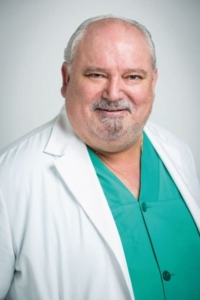
Dr. Matías Cuesta Gil
Oral and Maxillofacial Surgery · Implantology and advanced oral surgery.
View profile
Dr. Eduardo Monteserín
Oral and Maxillofacial Surgery · Implantology, oral surgery and complex cases.
View profile
Dr. Gema Arenas de Frutos
Oral and Maxillofacial Surgery · Implantology, regenerative surgery and complex oral rehabilitation.
BookFREQUENTLY ASKED QUESTIONS ABOUT MAXILLARY SINUS LIFT
We answer some of the most common questions about the procedure, recovery, cost and timing of implant placement. The technique and treatment timeline must always be established individually after clinical and radiological assessment.
What is the difference between an open and a closed sinus lift?
The closed or transcrestal technique is performed through the site prepared for the implant and is usually used when there is enough residual bone for a more limited approach. The open technique uses a lateral window and allows more extensive regeneration when the bone deficit is greater. The choice is made after assessing the case with a CT or CBCT scan.
Is a maxillary sinus lift painful?
The procedure is usually performed under local anaesthesia and, when indicated, may be combined with conscious sedation. You should not feel pain during surgery. Afterwards, swelling, pressure and discomfort of varying intensity may occur and are managed according to the specialist's instructions.
How long does a maxillary sinus lift take to heal?
Initial gum healing is faster than graft maturation. Bone regeneration takes several months, and the exact timeframe depends on the technique used, the volume regenerated, the material placed and whether the implant is inserted at the same time or at a later stage.
Can the implant be placed during the same surgery?
In selected patients, yes. There must be enough residual bone to achieve adequate primary implant stability. If that stability cannot be ensured, bone regeneration is performed first and the implant is placed after the area has matured.
What material is used for a sinus lift?
The patient's own bone, bone-substitute biomaterials or a combination of materials may be used. The choice depends on the defect, the volume that needs to be regenerated and the surgical plan. There is no single option that is suitable for every case.
What are the risks of a maxillary sinus lift?
As with any surgical procedure, complications can occur. Specific risks include perforation of the sinus membrane, infection, postoperative sinusitis, bleeding or insufficient bone regeneration. Their significance and management depend on the individual clinical situation.
What happens if the maxillary sinus membrane is perforated?
Perforation is a recognised complication. Some perforations can be repaired during the same procedure using specific techniques; in other cases, it may be advisable to modify or stop the procedure and allow the membrane to heal.
How much does a maxillary sinus lift cost?
As a general guide in the private sector, a maxillary sinus lift may cost approximately €900–€1,500 per side, although the price varies depending on whether an open or closed technique is used, the amount and type of biomaterial required, the complexity of the case and whether it is combined with other procedures. This range is not a fixed Face Clinic fee. A personalised quote is provided after clinical and radiological assessment.
What aftercare is required?
You should follow the prescribed medication and hygiene instructions. Patients are usually advised not to blow their nose, to sneeze with the mouth open, and to avoid strenuous activity, smoking and situations that increase sinus pressure for the period specified by the surgeon.
Are there alternatives to a maxillary sinus lift?
In selected cases, short implants, angled implants, pterygoid implants, zygomatic implants or other regenerative or prosthetic strategies may be considered. The most appropriate alternative depends on the location and extent of bone loss, the anatomy and the planned rehabilitation.
FACE CLINIC LOCATIONS
Choose the clinic that is most convenient for you for an assessment of the available bone and maxillary sinus anatomy and to determine whether you need a sinus lift before implant placement.


Request an assessment at Face Clinic so we can evaluate the available bone, review the anatomy of the maxillary sinus and determine whether a closed sinus lift, a lateral window technique or another option is indicated for your implant treatment.
Request an assessment Clinical and radiological diagnosis, personalised treatment indication and a quote tailored to each case.