Pterygoid implants
Pterygoid implants may make fixed upper-jaw rehabilitation possible in patients with severe posterior bone loss, avoiding sinus lift surgery or bone grafting in selected cases.
What are pterygoid implants?
Pterygoid implants are long dental implants anchored in the pterygomaxillary region, an area of dense bone located behind the upper jaw. They may be used when there is insufficient bone in the posterior maxilla for conventional dental implants.
The technique uses the patient’s own dense bone and may therefore avoid sinus lift surgery and bone grafting in selected cases, shortening the overall treatment pathway. Pterygoid implants also provide posterior support for a fixed prosthesis, helping distribute chewing forces and reduce long cantilevers.
This is an advanced implant technique that requires detailed knowledge of the anatomy and precise surgical planning. At Face Clinic, cases are assessed by oral and maxillofacial surgeons using 3D radiological imaging. The definitive indication is established only after an individual clinical, radiological and prosthetic assessment.
When may pterygoid implants be considered?
They are mainly considered for patients with insufficient bone in the posterior upper jaw. Suitability depends on 3D radiological assessment, individual anatomy and the type of fixed rehabilitation being planned.
Posterior maxillary atrophy
Severe bone loss in the upper premolar and molar region that prevents predictable placement of conventional implants.
Pneumatised maxillary sinus
The maxillary sinus has expanded into the area where a conventional implant would normally be anchored, reducing the available bone height.
Avoiding bone grafting
Patients seeking an alternative to sinus lift surgery or bone grafting when a graftless approach is clinically appropriate.
Previous treatment failure
Cases involving failed grafts or implants in the posterior region that require reassessment with advanced implant techniques.
Complete upper-arch rehabilitation
When a fixed full-arch prosthesis is planned and stable posterior support is needed to reduce cantilever length.
Unstable removable denture
Patients with an unstable upper denture who are seeking a fixed option despite limited posterior bone.
How pterygoid implants are integrated into full-arch rehabilitation
Pterygoid implants are rarely used in isolation. They are usually incorporated into a fixed upper-jaw rehabilitation and combined with conventional implants or other advanced implant techniques.
The appropriate combination depends on the bone available in each area of the upper jaw, the bite, the planned prosthesis and whether immediate loading may be considered. Each case is assessed using digital 3D planning.
The following approaches are for general information. The definitive plan is established after an individual clinical, radiological and prosthetic assessment.
Pterygoid and conventional implants
A common approach combines conventional implants in the anterior maxilla with pterygoid implants posteriorly to support a complete fixed prosthesis without grafting in selected cases.
View the procedureCombined with zygomatic implants
In cases of extreme atrophy affecting the entire upper jaw, pterygoid implants may be combined with zygomatic implants anchored in the cheekbone.
View implants for insufficient boneComplete fixed rehabilitation
Pterygoid implants provide posterior support for a fixed full-arch prosthesis, helping improve force distribution and reduce long cantilevers.
View fixed dental prosthesesImmediate loading
Because the pterygoid region can provide dense bone anchorage, a fixed provisional prosthesis may be fitted on the day of surgery in selected patients.
View immediate loading implantsAlternative to sinus lift surgery
Because the implant is anchored behind the maxillary sinus, the technique may avoid sinus lift surgery and grafting in appropriately selected cases.
Request an assessmentRescue and revision cases
An option that may be assessed after failed grafting or previous posterior implant treatment when a fixed solution is still being considered.
Request an assessmentPterygoid implant placement step by step
Pterygoid implant treatment is planned individually. The stages vary according to the case, but generally include 3D diagnosis, surgical and prosthetic planning, implant placement, prosthetic rehabilitation and follow-up.
The team assesses the bone available in each area of the upper jaw, the maxillary sinus, the pterygomaxillary region, the bite and the patient’s functional and aesthetic requirements.
The number and position of the implants are defined, including whether pterygoid implants should be combined with conventional or zygomatic implants and whether immediate loading may be appropriate.
The implant is anchored in the pterygomaxillary region through a planned surgical procedure performed by oral and maxillofacial surgeons under local anaesthesia and, when indicated, conscious sedation.
In selected cases, a fixed provisional prosthesis may be fitted on the same day. The definitive prosthesis is produced after the required healing and integration period.
Clinical reviews, effective hygiene and periodontal maintenance are essential to reduce complications and preserve the rehabilitation over time.

General medical video explaining how dental implant treatment is planned and performed in complex cases.
Advantages of pterygoid implants
In appropriately selected patients, pterygoid implants may support fixed rehabilitation of an atrophic upper jaw that might otherwise require grafting and a longer staged treatment pathway.
The technique may avoid sinus lift surgery and bone grafting in selected patients.
The implants engage a region of dense bone that may provide strong initial stability.
Avoiding preliminary regeneration may reduce the overall treatment time compared with staged grafting.
They may improve the distribution of chewing forces and reduce long cantilevers in a fixed prosthesis.
Selected patients may receive fixed provisional teeth on the same day as surgery.
They may provide a fixed rehabilitation option after severe atrophy or previous treatment failure.
Pterygoid implants with a maxillofacial surgical approach
Pterygoid implant placement requires advanced knowledge of the pterygomaxillary anatomy. At Face Clinic, these cases are planned and treated by oral and maxillofacial surgeons experienced in complex implant dentistry and complete oral rehabilitation.
Experience in surgery and implant dentistry
Specialist surgeons for complex cases
Coordinated surgical and prosthetic planning
Patients referred from other dental clinics
Ongoing reviews and professional maintenance
Pterygoid implant and advanced implant dentistry specialists
Pterygoid implant treatment requires coordinated assessment by oral and maxillofacial surgeons, restorative dentists and oral rehabilitation specialists to plan each case individually.

Dr Francisco Riba García
Medical Director and founder of Face Clinic. Oral and maxillofacial surgeon with particular experience in advanced implant dentistry, zygomatic and pterygoid implants, 3D surgical planning and complex cases involving severe bone loss.
ICOMEM 28375865
View medical profileAdvanced implant dentistry unit
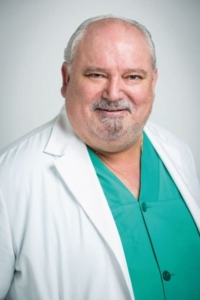
Dr Matías Cuesta Gil
Oral and maxillofacial surgery · Advanced implant dentistry and oral surgery.
View profile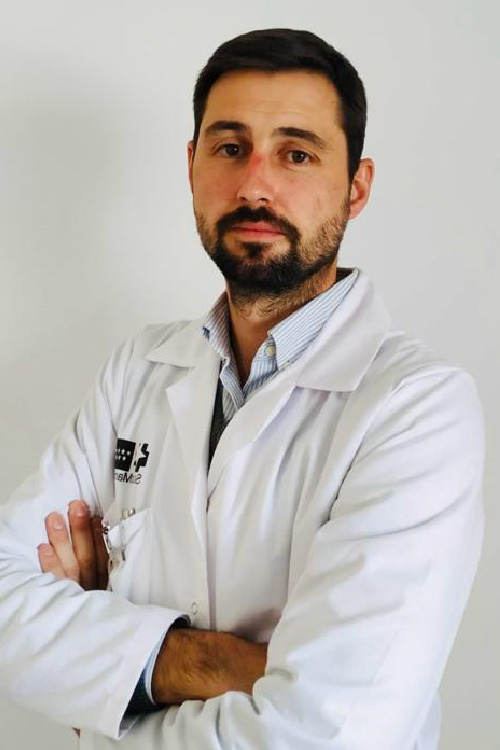
Dr Eduardo Monteserín
Oral and maxillofacial surgery · Implant dentistry, oral surgery and complex functional cases.
View profile
Dr María Ciudad Cano
Dentistry · Implant-supported prosthetics, oral rehabilitation and aesthetic dentistry.
View profileCommon questions about pterygoid implants
These answers provide general guidance. Definitive suitability must always be established after an individual clinical and radiological assessment.
What are pterygoid implants?
They are long dental implants anchored in the pterygomaxillary region, an area of dense bone behind the upper jaw. They may be used when there is insufficient posterior maxillary bone for conventional implants.
When are pterygoid implants indicated?
They are mainly considered in patients with severe posterior maxillary atrophy, extensively pneumatised maxillary sinuses, previous graft failure or full-arch rehabilitation requiring stable posterior support. Suitability must be confirmed with individual 3D planning.
What is the difference between pterygoid and zygomatic implants?
Both are advanced options for patients with limited bone. Pterygoid implants are anchored in the pterygomaxillary region behind the maxillary sinus, whereas zygomatic implants are anchored in the cheekbone. In extreme atrophy, both techniques may be combined.
Can pterygoid implants avoid bone grafting?
In selected cases, yes. Because they obtain anchorage in dense bone behind the maxillary sinus, they may avoid sinus lift surgery or bone grafting. The decision depends on the patient’s anatomy and complete prosthetic plan.
Is pterygoid implant surgery painful?
The procedure is performed under local anaesthesia and, when clinically indicated, conscious sedation. The patient should not feel pain during surgery. Swelling or post-operative discomfort may occur afterwards and is managed with prescribed medication and follow-up.
Can fixed teeth be fitted on the same day?
In selected patients, yes. Dense pterygoid anchorage may provide the initial stability required to consider immediate loading with a fixed provisional prosthesis on the day of surgery. It is not suitable in every case.
How much do pterygoid implants cost?
The cost depends on the diagnosis, number and combination of implants, surgical complexity, anaesthesia and type of provisional and definitive prosthesis. A personalised assessment is therefore required before a complete quotation can be provided.
What are the risks of pterygoid implants?
Possible risks include swelling, bleeding, post-operative discomfort, infection, implant integration failure and prosthetic complications. The technique requires advanced anatomical knowledge and surgical experience. Careful planning and follow-up reduce risk but cannot eliminate it completely.
Where to have pterygoid implants assessed
Choose the most convenient clinic for an initial assessment, review of the available bone and personalised planning of your dental implant treatment.

Madrid · Salamanca District
Calle de Diego de León, 39
28006 Madrid

Madrid · Aravaca-Pozuelo
Av. del Talgo, 202, L22
28023 Madrid

Useful information when considering pterygoid implants
Before deciding on treatment, it is important to understand why bone has been lost, which options are available for an atrophic upper jaw and which factors influence the treatment plan and quotation.
Would you like to know whether you are suitable for pterygoid implants?
Request an assessment at Face Clinic to review your case using 3D radiological imaging, analyse the available bone and receive a personalised treatment plan and quotation. In-person consultations and initial online medical video consultations are available for patients travelling from outside the area.
Request an assessment Clinical and radiological diagnosis, individual treatment indication and personalised quotation.