Bruxism treatment
Bruxism treatment aimed at reducing muscle overload, relieving associated discomfort and protecting the teeth and temporomandibular joint through personalised diagnosis and treatment.
HOW BRUXISM IS TREATED
Treating bruxism is not simply a matter of fitting an occlusal splint. Before deciding how to manage it, it is important to assess how it presents, which structures are being overloaded and what effects it is having on each patient.
Tooth wear, tension in the jaw muscles, facial pain, headaches or temporomandibular joint discomfort may require different approaches. Treatment should therefore be tailored to each case, with the aims of both protecting the teeth and reducing symptoms and excessive loading of the masticatory system.
Depending on the patient's needs, treatment may include occlusal splints, measures aimed at modifying certain clenching habits, treatment of dental consequences and other therapeutic options. In selected patients with excessive and symptomatic muscle activity, treatment of the masticatory muscles with neuromodulators may also be considered.
At Face Clinic, we assess the teeth, bite, jaw muscles and temporomandibular joint together to establish an individualised treatment plan and avoid standard solutions for problems that can present in very different ways.
BRUXISM SYMPTOMS
Bruxism can present in different ways. Tooth wear, jaw tension, facial pain or discomfort in the temporomandibular joint are some of the signs that may warrant a specialist assessment.
Flattened, worn or slightly fractured teeth as a result of repeated clenching or grinding.
Discomfort, fatigue or tension in the jaw, particularly on waking or after periods of stress.
Headaches that may be associated with sustained overloading of the masticatory muscles.
Overloading of muscles such as the masseter and temporalis muscles, which may feel tight, fatigued or painful.
Pain, clicking or a feeling of strain in the temporomandibular joint when opening, closing or moving the mouth.
Progressive enamel wear can lead to increased sensitivity and discomfort in response to certain stimuli.
BRUXISM TREATMENTS
Bruxism treatment should be tailored to how it presents and to the structures affected. Not every patient requires the same approach, and an occlusal splint is not the only option.
Depending on whether there is tooth wear, muscle overload, jaw pain, temporomandibular joint problems or associated issues, different treatment measures may be combined.
The treatment recommendation is made on an individual basis after assessing the teeth, bite, jaw muscles, TMJ and the patient's symptoms.
Occlusal splint
A custom-made rigid splint designed to protect the teeth from wear and manage the forces placed on them during clenching or grinding.
Request an assessmentNeuromodulators
In selected patients with muscle overactivity, tension or jaw pain, they may be used to reduce excessive activity in specific masticatory muscles in a controlled way.
View neuromodulators for bruxismMuscular and functional management
When there is pain or muscle overload, additional measures aimed at improving jaw function and reducing muscle tension may be considered.
Assess my caseAdditional dental treatment
If bruxism has caused wear, fractures or other dental changes, it may be necessary to treat these consequences and assess bite problems where clinically indicated.
Request an assessmentWHAT BRUXISM TREATMENT INVOLVES
Bruxism treatment is tailored to the symptoms, degree of muscle overload, tooth wear and structures affected. Before recommending an occlusal splint, neuromodulators or other complementary measures, an individual assessment is therefore important.
We assess symptoms, clenching or grinding habits, tooth wear, tension in the jaw muscles and any possible discomfort in the temporomandibular joint.
The examination helps determine which structures are under the greatest strain and whether there are dental, muscular or joint-related consequences that require treatment.
Depending on the findings, an occlusal splint, treatment of the masticatory muscles with neuromodulators or other measures aimed at reducing overload and treating its consequences may be recommended.
The aim is to manage the effects of bruxism, reduce pain or tension when present, and protect the teeth from wear and sustained excessive loading.
The response to treatment is reviewed periodically to assess symptom progression, adjust the measures being used and identify any changes in the teeth, muscles or joint.

Dr Francisco Riba explains which signs may suggest bruxism and when a specialist assessment may be advisable.
BENEFITS OF TREATING BRUXISM
Appropriate treatment can help reduce the effects of bruxism on the teeth, jaw muscles and temporomandibular joint, improving comfort and protecting long-term oral health.
It can help reduce excessive strain on the masticatory muscles and the feeling of a tired or tense jaw.
Helps limit tooth wear, small fractures and other damage associated with persistent clenching or grinding.
When symptoms are related to muscle overload, treatment may reduce facial and jaw pain.
Monitoringling excessive forces may help reduce the strain placed on the temporomandibular joint.
Reducing the tension and discomfort associated with bruxism may improve comfort when speaking, chewing or waking in the morning.
Follow-up allows progress to be monitored and action to be taken before excessive loading causes further dental or functional deterioration.
WHY FACE CLINIC
At Face Clinic, we do not assess tooth wear in isolation. We consider the bite, masticatory muscles, temporomandibular joint and each patient's symptoms together to define a personalised approach.
Teeth, bite, muscles and TMJ
Individual assessment
Focus on muscles and joint function
Treatment based on symptoms and findings
Ongoing review
SPECIALISTS IN BRUXISM AND JAW DYSFUNCTION
Bruxism and functional jaw disorders require an individual assessment of the teeth, bite, masticatory muscles and temporomandibular joint. Our oral and maxillofacial surgery team assesses each case to determine the most appropriate approach.

Dr Francisco Riba García
Medical director and founder of Face Clinic. Oral and maxillofacial surgeon with experience in the diagnosis and treatment of functional problems involving the jaw, masticatory muscles and temporomandibular joint.
ICOMEM 28375865
View medical profileBruxism and jaw dysfunction unit
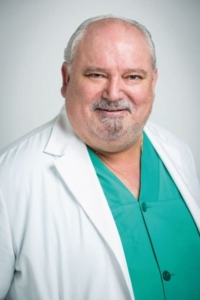
Dr Matías Cuesta Gil
Oral and maxillofacial surgery · Functional assessment and maxillofacial conditions.
View profile
Dr Eduardo Monteserín
Oral and maxillofacial surgery · Diagnosis and treatment of functional maxillofacial disorders.
View profile
Dr Gema Arenas de Frutos
Oral and maxillofacial surgery · Bruxism, oral surgery and neuromodulator treatments.
Request an assessmentREAL BRUXISM TREATMENT RESULTS
Bruxism treatment is tailored to each patient's individual characteristics. In cases with significant overactivity of the masticatory muscles, neuromodulators may help reduce excessive masseter activity and progressively improve jaw tension. Results and their progression can vary from one patient to another.
Request an assessment Before
 After
Progress after treatment of muscle overload in a patient with bruxism, aimed at reducing tension in the masticatory muscles.
 Before
 After
Result after treating a patient with masseter muscle hypertrophy and tooth clenching, following an individual clinical and functional assessment.
PATIENTS WHO HAVE HAD BRUXISM TREATMENT AT FACE CLINIC
Read about the experiences of patients treated at Face Clinic for problems related to bruxism, muscle overload and its consequences.
Each case is assessed individually to determine which treatment may be most appropriate according to the symptoms and structures affected.

A patient's experience after bruxism treatment at Face Clinic.

A testimonial about the patient's progress and experience after treatment.
FREQUENTLY ASKED QUESTIONS ABOUT TREATMENT
We answer some of the most common questions patients have before starting bruxism treatment at Face Clinic. Treatment recommendations and costs are always determined individually after assessing each case.
What happens at the first bruxism consultation at Face Clinic?
At the first consultation, we review the symptoms, tooth wear, bite, masticatory muscles and temporomandibular joint. The aim is to determine which structures are under excessive strain and propose the most appropriate treatment for each patient.
Which specialist will assess me?
Cases of bruxism and jaw dysfunction are assessed by professionals with experience in oral and maxillofacial surgery, jaw function and temporomandibular joint conditions. Where there are dental consequences, treatment may also be coordinated with the dental team.
How is the right treatment for me decided?
Not every patient with bruxism needs the same treatment. The choice depends on the symptoms, degree of tooth wear, activity of the masticatory muscles, bite and any possible TMJ involvement. Depending on the assessment, an occlusal splint, neuromodulators or other complementary measures may be recommended.
Can an occlusal splint and neuromodulators be combined?
Yes. In selected patients, they may form part of a combined approach because they act on different aspects of the problem. Whether one or both treatments are needed should be determined after a clinical assessment.
What if bruxism has already worn down my teeth?
In addition to managing the excessive loading associated with bruxism, it may be necessary to assess the dental consequences. Depending on the degree of wear, restorative or cosmetic dental treatments may be considered to restore the shape, function and appearance of the teeth, with measures then taken to protect the result.
How much does bruxism treatment cost at Face Clinic?
The cost depends on the treatment required. A custom-made occlusal splint does not cost the same as muscle treatment with neuromodulators or a combined approach. As a guide to the private market, a custom splint typically costs approximately €290–€400, while neuromodulator treatments may range from approximately €330–€650. At Face Clinic, a personalised quotation is provided after assessing the case.
How many appointments will I need?
It depends on the treatment recommended and how you progress. After the initial assessment, a plan is established and the necessary follow-up appointments are scheduled to review the response, make adjustments where appropriate and monitor the progression of symptoms.
Can I request an assessment if I already use an occlusal splint?
Yes. If you continue to experience jaw tension, pain, tooth wear or other symptoms despite using a splint, a new assessment can be carried out to review the diagnosis, check the condition of the splint and determine whether treatment should be supplemented or modified.
FACE CLINIC LOCATIONS
Choose the Face Clinic location that is most convenient for you for a bruxism assessment, so we can review your symptoms and determine which treatment may be most appropriate for your case.


PERSONALISED ASSESSMENT
Request an assessment at Face Clinic so we can review your symptoms, the condition of your teeth, your bite, masticatory muscles and temporomandibular joint, and determine which treatment may be most appropriate for your case.
Request an assessment Clinical assessment, personalised treatment recommendation and a quotation tailored to each case.