Dental bone grafting
Dental bone grafting can rebuild lost jawbone volume and create a more stable foundation for dental implants. Each implant bone graft is planned individually after clinical examination and 3D radiological assessment.
What is dental bone grafting?
Dental bone grafting is a surgical procedure used to rebuild or increase bone volume in the upper or lower jaw when the existing bone is not sufficient for a predictable dental implant or when a localised defect requires reconstruction.
After a tooth is lost, the bone that previously supported it may gradually resorb because it no longer receives the same functional stimulation. Bone may also be lost through periodontitis, infection, trauma, difficult extractions or previous implant failure. A dental bone graft places grafting material in the deficient area so that it can act as a framework for new bone formation and maturation.
Bone grafting surgery should be planned as part of the complete restorative treatment rather than as an isolated procedure. At Face Clinic, the assessment may include clinical examination, a 3D CBCT or CT scan, evaluation of the gums and residual bone, analysis of the bite and planning of the future implant-supported restoration.
When may a dental bone graft be considered?
Bone grafts for implants are considered when the available bone does not provide sufficient volume, shape or support for the planned restoration. The indication must be confirmed after an individual clinical, periodontal and radiological assessment.
One or more teeth have been missing for some time and the ridge has reduced in width or height.
Periodontitis has damaged the bone supporting the teeth and regenerative periodontal treatment may form part of the plan.
Bone has been lost following infection, injury, a difficult extraction or removal of a damaged tooth.
A conventional implant cannot be positioned with the required stability or in the correct prosthetic position without augmentation.
Dental bone regeneration is needed before a single implant, an implant bridge or a more extensive fixed rehabilitation.
Removal of a failed implant has left a localised bone defect that requires reconstruction before further treatment is considered.
Types of dental bone graft and bone regeneration
There is no single bone graft dental procedure. The technique depends on the size and location of the defect, how much bone must be recovered, the condition of the gums and the position of the future implant and prosthesis.
The material may include the patient’s own bone, processed donor bone from an authorised tissue bank, animal-derived biomaterial, synthetic bone substitute or a combination. Donor bone is sometimes informally called “cadaver bone”, although the clinically appropriate term is an allograft.
This classification is for guidance only. The definitive technique and material are selected after individual clinical, radiological and restorative planning.
Used when bone loss affects a limited area and additional width or height is required before placing one or more dental implants.
View procedureUses grafting biomaterials and, when indicated, a protective membrane to maintain the space required for new bone to form.
Assess my caseSocket preservation may be performed after an extraction to reduce ridge collapse and prepare the area for a future implant when clinically appropriate.
View treatment timingA specific augmentation procedure for the back of the upper jaw when the available bone height is limited by the maxillary sinus.
View sinus lift procedureThe bone graft is completed first and allowed to mature before the dental implant is placed during a later procedure.
View graft and implant timingIn selected cases, a local bone graft and dental implant may be placed during the same operation when adequate primary implant stability can be achieved.
View graft and implant timingThe dental bone graft procedure
The exact dental bone graft procedure varies according to the defect, grafting material and whether implant placement is planned at the same time or after a period of bone maturation.
The specialist reviews the teeth, gums, bone, bite, previous dental treatment and medical factors that may influence healing, including smoking, diabetes and relevant medication.
Three-dimensional imaging helps measure the defect, assess nearby anatomical structures and plan the position of the future implant and restoration.
The procedure is generally carried out under local anaesthetic. Conscious sedation may be considered for selected patients according to the extent of surgery and individual clinical needs.
The gum is carefully raised, the area is prepared and the selected grafting material is placed. A membrane, fixation device or other regenerative measure may be used when required.
The gum is repositioned and sutured. The graft then needs time to integrate and mature, with periodic clinical review and radiological monitoring where appropriate.
Before implant treatment continues, the regenerated area is reassessed to confirm whether the bone has matured sufficiently for the next stage.
Once the site is suitable, the implant is placed or allowed to integrate if it was inserted at the grafting stage. The final crown, bridge or fixed restoration is then planned.

Dental bone grafting can rebuild lost bone volume and create a more suitable foundation for dental implant placement. The technique and grafting material are selected according to the location and extent of the bone defect.
Is the bone graft carried out before or with the dental implant?
An implant bone graft may be carried out as a separate first stage or at the same time as implant placement. The decision depends on the extent of bone loss, the remaining bone, soft-tissue condition, infection control and whether the implant can achieve adequate primary stability.
Small local defects may sometimes be grafted around an implant during the same operation. Larger or less favourable defects usually require a staged approach so that the regenerated bone can mature before implant placement.
There is no universal maximum time between a bone graft and dental implant placement. If treatment is significantly delayed after healing, the site should be reassessed because bone dimensions and oral conditions may change over time.
The graft is completed first, followed by a healing period and a second procedure for implant placement once the regenerated area is considered suitable.
A localised graft and implant are placed during the same operation when the anatomy and initial implant stability make this a reasonable option.
The size of the defect, residual bone, gum condition, infection, implant position, planned prosthesis and patient-related healing factors are all considered.
Many grafts require several months of healing before implant placement, although smaller procedures may be combined with the implant and larger grafts may require longer.
Benefits of dental bone grafting
When clinically indicated and successfully integrated, dental bone regeneration can expand the restorative options available to patients with insufficient jawbone.
May restore part of the width or height lost after tooth loss, periodontitis, infection or trauma.
Can create a more suitable foundation in patients who do not initially have enough bone for conventional implants.
Helps position the implant within a planned volume of bone rather than compromising the restorative design.
Socket grafting after extraction may reduce local ridge collapse when the procedure is indicated.
Allows implant position to be planned in relation to the future crown, bridge or fixed prosthesis.
May form part of a broader reconstructive plan in patients with advanced localised bone loss.
How much does dental bone grafting cost?
The cost of a dental bone graft must be calculated individually because the extent of the defect, grafting material, membrane or fixation required, anaesthesia, imaging and number of surgical stages vary considerably between patients.
If the bone graft is part of treatment with one or two dental implants, the quotation should distinguish the grafting procedure from the implant surgery, abutments, crowns or bridge, provisional restoration and follow-up. This is particularly important when comparing the cost of two dental implants with bone grafting in the UK with treatment in Spain.
Following assessment and the required diagnostic tests, Face Clinic provides a personalised, itemised quotation. Finance options may also be considered for eligible treatments, subject to approval by the finance provider.
The quotation may depend on: defect size · grafting material · membrane or fixation · staged or simultaneous implant placement · sedation · number of implants · type of final restoration · diagnostic tests and follow-up.
Finance is subject to assessment and approval by the finance provider.

Dental bone grafting with surgical and restorative planning
Bone grafting is not a standardised procedure. It requires accurate assessment of the defect, careful management of the soft tissues and coordination between oral and maxillofacial surgery, implant dentistry and the final prosthetic restoration.
CBCT or CT diagnostic planning
Bone reconstruction and grafting options
Advanced bone loss and previous failures
Surgery, implant dentistry and prosthetics
Local anaesthetic and selected sedation
Dental bone grafting and regenerative surgery specialists
Dental bone grafting is assessed by a coordinated team in oral and maxillofacial surgery, implant dentistry and oral rehabilitation. The objective is to plan the graft, future implant position and final restoration as one treatment pathway.

Founder and Medical Director of Face Clinic. Oral and maxillofacial surgeon with a particular focus on advanced implant dentistry, regenerative surgery, 3D surgical planning and complex cases involving bone loss.
ICOMEM 28375865
View medical profileRegenerative surgery and implant dentistry unit
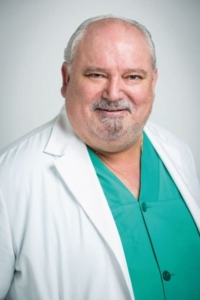
Oral and maxillofacial surgery · Advanced implant dentistry and oral surgery.
View profile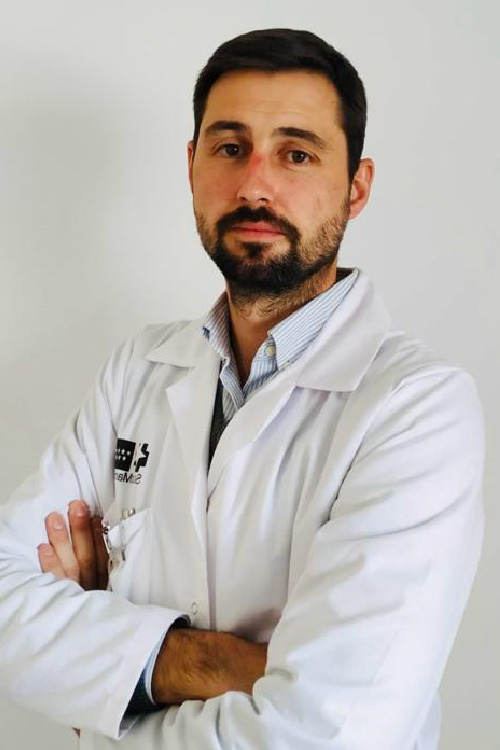
Oral and maxillofacial surgery · Implant dentistry, oral surgery and complex functional rehabilitation.
View profile
Dentistry · Implant-supported prosthetics, oral rehabilitation and aesthetic dentistry.
View profileCommon questions about dental bone grafting
The following answers are for general guidance only. The final indication, technique, risks, timing and quotation require an individual clinical and radiological assessment.
What is a bone graft in dentistry?
A dental bone graft is a regenerative surgical procedure used to increase or reconstruct bone in the upper or lower jaw. Grafting material is placed in an area of bone loss to provide a framework in which the patient’s own bone can form and mature. It is often used before or during dental implant treatment.
How painful is dental bone grafting?
The operation is performed under local anaesthetic, with conscious sedation considered in selected cases, so pain should be controlled during surgery. Afterwards, tenderness, swelling, bruising or pressure are common and vary according to the extent of the procedure. Medication and post-operative instructions are provided to manage symptoms.
How painful is bone grafting for dental implants?
Discomfort is influenced more by the size and location of the graft than by the fact that it is linked to an implant. A small simultaneous graft may have a different recovery from a larger staged reconstruction. Worsening pain after the first few days, particularly with fever, discharge or increasing swelling, should be reviewed.
How long does dental bone grafting recovery take?
The gum commonly begins to settle during the first one or two weeks, but the grafted bone needs substantially longer to mature. Many sites require approximately three to six months before implant treatment continues, while larger grafts may need nine months or longer. The exact timing is assessed clinically and radiologically.
How can I help a dental bone graft heal?
Follow the surgeon’s instructions, take medication as prescribed, keep the site clean without disturbing it, maintain a soft diet initially, avoid strenuous exercise during the early recovery period and do not smoke or vape. There is no safe shortcut that replaces biological healing time or professional follow-up.
What is the maximum time between a bone graft and a dental implant?
There is no single maximum interval that applies to every patient. The planned timing depends on graft type, defect size, healing and implant strategy. If implant placement is delayed beyond the recommended review period, a new clinical and radiological assessment is advisable because bone volume and oral conditions can change.
What is cadaver bone in dental grafting?
The term “cadaver bone” usually refers to an allograft: processed human donor bone obtained through an authorised tissue bank. It is screened and prepared for medical use. Depending on the case, alternatives include the patient’s own bone, animal-derived biomaterials and synthetic substitutes.
Can a bone graft be placed at the time of tooth extraction?
Yes, socket preservation may be considered immediately after extraction when the aim is to limit local ridge collapse and prepare the site for a future implant. It is not necessary or appropriate after every extraction, particularly when active infection, anatomy or the future restorative plan requires a different approach.
Are bone grafts used in periodontics?
Bone grafts may be used in selected periodontal defects as part of regenerative periodontal surgery. Before considering regeneration, active periodontal infection must be controlled and the defect must be assessed to determine whether it has a suitable morphology and prognosis.
What are the risks of dental bone grafting surgery?
Possible complications include infection, bleeding, wound opening, membrane or graft exposure, partial graft resorption, failure to achieve sufficient bone, altered sensation and donor-site discomfort when the patient’s own bone is harvested. Upper-jaw procedures may also involve sinus-related risks. Careful planning and follow-up reduce risk but cannot eliminate it.
Can a dental bone graft fail?
Yes. A graft may partially resorb or fail to integrate adequately. Risk can be influenced by smoking, uncontrolled periodontal disease, infection, poor wound stability, systemic health, medication and failure to follow aftercare instructions. The site must be reassessed before further treatment.
Is there an alternative to bone grafting for dental implants?
Not every patient needs a graft. Depending on the location and severity of bone loss, options may include different implant positions or dimensions, sinus-lift procedures, zygomatic implants, pterygoid implants, subperiosteal implants or a different prosthetic design. Suitability depends on 3D assessment and the complete restorative plan.
How much is a dental bone graft in the UK?
There is no single UK price because the quotation depends on the graft size, material, membrane or fixation, imaging, sedation, implant timing and follow-up. When comparing UK and Spain treatment, check whether the quote includes the graft, implant, abutment, crown or bridge, provisional restoration, reviews and any additional surgery.
How much do two dental implants with bone grafting cost?
The total cost depends on whether one or two grafted sites are required, whether the graft and implants can be placed together, the type of implant restoration and the complexity of surgery. Face Clinic provides an itemised quotation only after clinical examination and the necessary 3D imaging.
Where to have dental bone grafting assessed at Face Clinic
Choose the most convenient clinic for an initial assessment, 3D evaluation of the available bone and personalised planning of the graft, implant and future restoration.

Madrid · Barrio de Salamanca
Calle de Diego de León, 39
28006 Madrid

Madrid · Aravaca-Pozuelo
Av. del Talgo, 202, L22
28023 Madrid

Useful information when considering a dental bone graft
Dental bone grafting is one option within regenerative surgery and advanced implant dentistry. The most appropriate approach depends on why bone has been lost, the area affected and the type of dental restoration being planned.
Would you like to know whether you need dental bone grafting?
Request an assessment at Face Clinic to review your available bone with 3D imaging, discuss grafting and graftless alternatives, and receive an individual treatment plan and quotation. In-person consultations and initial online medical video consultations are available.
Request an assessment Clinical and radiological diagnosis, individual treatment indication and personalised quotation.